Chocolate Mousse Unpacked: Exploring Classic & Easy Techniques
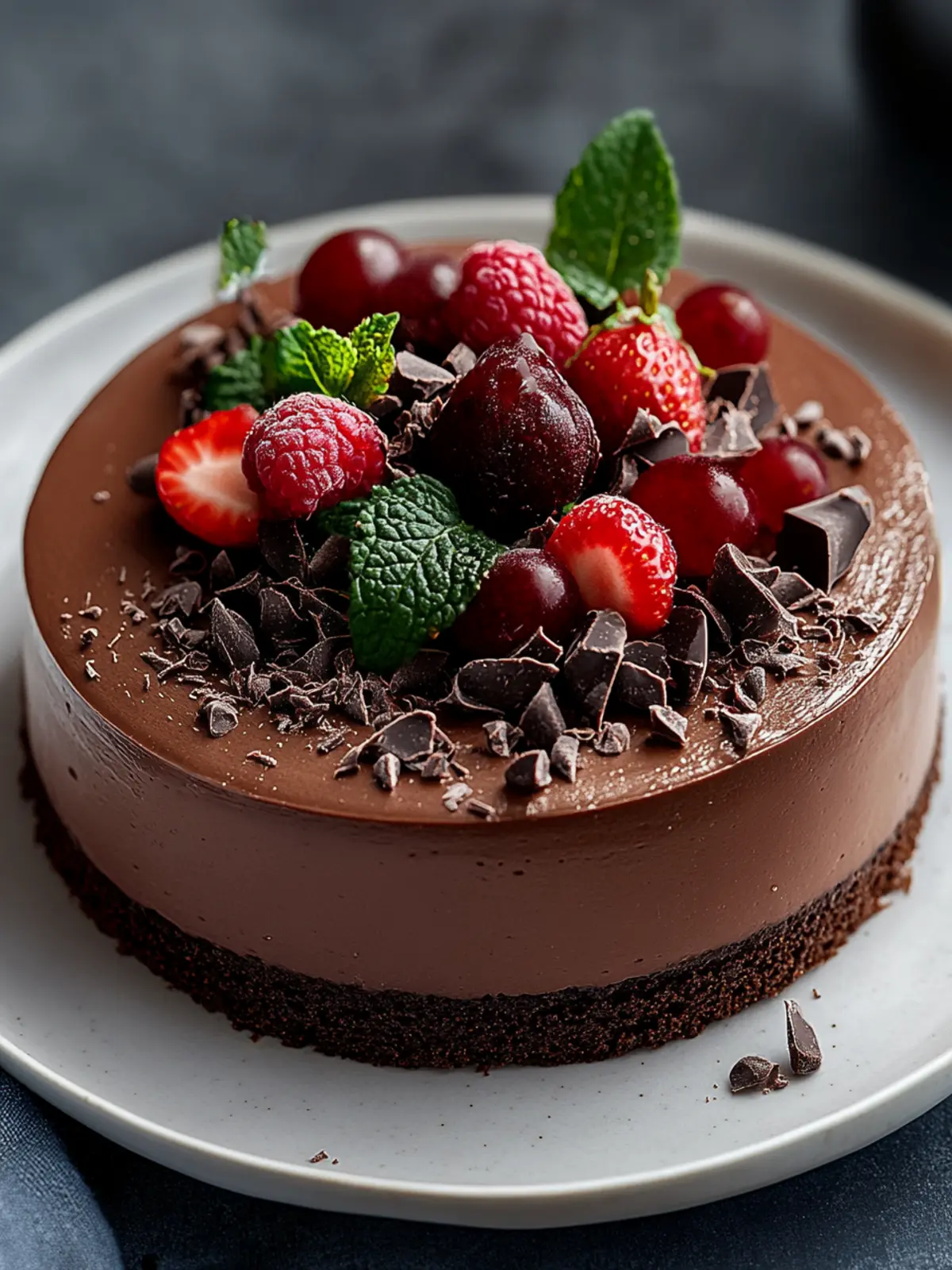
There are few desserts that capture the essence of luxurious indulgence quite like chocolate mousse. With its light, airy texture, intense chocolate flavor, and velvety finish, it's a dessert that consistently elevates any meal, making it a favorite for special occasions, holidays like Valentine's Day, or simply a sophisticated treat. Whether dolloped elegantly into a ramekin, garnished with fresh berries, or finished with a sprinkle of sea salt and a drizzle of olive oil, its decadent charm in a seemingly light package is undeniable.
One of the most appealing aspects of chocolate mousse is its make-ahead potential, allowing hosts to prepare a show-stopping dessert without last-minute stress. However, the mention of "mousse" often conjures images of complex pastry techniques, leading many home cooks to shy away. Indeed, classic chocolate mousse recipes can be intricate, combining multiple advanced methods. But what if we told you that achieving that dreamlike texture isn't exclusively reserved for professional chefs? This article will unpack the fascinating world of chocolate mousse, exploring both the foundational techniques of classic pastry and surprisingly simple methods that deliver equally stunning results.
The Enduring Allure and Perceived Complexity of Classic Chocolate Mousse
To truly appreciate the evolution of chocolate mousse, it's helpful to understand its origins in classic French pastry. Culinary school textbooks, like The Fundamental Techniques of Classic Pastry Arts, lay out a fascinating, albeit often daunting, framework. Historically, chocolate mousse is built upon several foundational components, each contributing to its unique texture and flavor profile:
- The Base: This is where much of the complexity lies. Classic mousse can start with a rich ganache, a silky crème anglaise (a custard sauce), or a more elaborate pâte à bombe (egg yolks whisked with hot sugar syrup). Each base offers a distinct richness and depth of flavor, with pâte à bombe providing excellent stability and a rich, eggy backbone.
- The Lightener: For that signature airy quality, a meringue—often an Italian meringue, made by folding hot sugar syrup into whipped egg whites—is incorporated. This delicate addition traps air, giving the mousse its characteristic fluffiness.
- The Creaminess Factor: Finally, whipped heavy cream is gently folded in, lending an unparalleled creaminess and further enhancing the light texture.
- Stability (Optional but Recommended): For some recipes, particularly those using more fluid chocolates like white chocolate, a touch of gelatin might be added to ensure the mousse holds its structure perfectly.
It's easy to see why this combination of ganache-making, custard-cooking, meringue-whipping, and careful folding can intimidate even experienced home bakers. When three or more challenging techniques converge in a single recipe, the path to a perfect chocolate mousse can seem fraught with peril.
Ingredients That Make the Magic Happen
Despite the varying techniques, the core ingredients for most chocolate mousse recipes remain remarkably consistent: chocolate, eggs, and heavy cream. Understanding the role of each is key to mastering this dessert, whether you're following a classic or simplified path:
- Chocolate: The star of the show! The quality of your chocolate directly impacts the flavor of your mousse. Opt for high-quality baking chocolate (couverture) with a cocoa percentage you enjoy—typically 60-75% for a rich, balanced flavor. Higher percentages can be more intense, while lower ones will yield a sweeter, milkier mousse.
- Eggs: Eggs play a dual role. Yolks contribute richness, emulsifying properties, and stability (especially in bases like crème anglaise or pâte à bombe). Egg whites, when whipped into a meringue, are crucial for aeration and lightness, creating the delicate structure of the mousse.
- Heavy Cream: Whipped heavy cream is indispensable for achieving that luxurious, velvety texture and adding a refreshing coolness that balances the richness of the chocolate.
While these three are paramount, other common additions might include sugar (to sweeten and stabilize egg whites), butter (for extra richness in some ganache bases), and flavorings like vanilla extract, coffee liqueur, or even a pinch of cayenne pepper for a subtle kick.
The Rise of Easy Chocolate Mousse: Simplicity Without Sacrifice
The quest for simpler versions of beloved classics is constant in home kitchens. The good news? "Easy" doesn't have to mean "less delicious" when it comes to chocolate mousse. Many modern interpretations have ingeniously streamlined the process, proving that exquisite results can be achieved without a pastry degree.
The true genius of simplified mousse recipes lies in eliminating or combining traditionally separate, complex steps. For instance, some easy methods forego the elaborate pâte à bombe or crème anglaise entirely, focusing instead on directly combining melted chocolate with whipped cream and sometimes gently cooked egg yolks or whites. This approach significantly reduces the technical skill required, making it accessible to even beginner bakers.
Our research, alongside the talented chefs and testers at People Inc. Food Studios, involved rigorous testing of various well-known chef recipes. The fascinating part was witnessing how this classic dessert could be reinterpreted to satisfy different tastes and skill levels without compromising its essence. One recipe, in particular, stood out for its sublime texture and flavor, proving that mastery often lies in refinement, not just complexity.
The Creamiest Chocolate Mousse: Top Chef Recipes Tested & Ranked found its winner in Chef Dominique Ansel's recipe, which delivered on the promise of intense creaminess. Ansel, known for his innovative yet classically-rooted pastry, demonstrates that even professional-grade results can stem from thoughtfully designed, often simplified, processes.
For those looking for an utterly foolproof entry point, the "for beginners" approach is a game-changer. These methods often highlight techniques like using a metal mixing bowl directly over heat to gently cook eggs and melt chocolate simultaneously, drastically cutting down on fuss and cleanup. As discovered in the article Chocolate Mousse for Beginners: Easy Recipe, Perfect Texture, this streamlined method often produces "the most delicious, most perfectly-textured mousse" imaginable, even for seasoned cooks who might have been overcomplicating it for years.
Crafting Your Perfect Chocolate Mousse: Essential Tips & Tricks
Regardless of whether you choose a classic or simplified path, a few universal tips will significantly improve your chances of success:
- Quality Chocolate is Key: As mentioned, the better the chocolate, the better your mousse will taste. Invest in a good brand that you enjoy eating on its own.
- Temperature Matters: Ensure your melted chocolate isn't too hot when combining it with other ingredients, or it could curdle your eggs or deflate your cream. Allow it to cool slightly to a warm, fluid consistency.
- Gentle Folding: This is perhaps the most crucial technique. When incorporating whipped egg whites or cream into your chocolate base, use a large spatula and fold gently in an upward, circular motion, ensuring you don't deflate the air you've worked so hard to incorporate. Air equals lightness!
- Chill Thoroughly: Mousse needs time to set and develop its full flavor. Chill for at least 4 hours, or ideally overnight, for the best texture and taste.
- Clean Bowls & Utensils: Especially when whipping egg whites, ensure your mixing bowl and whisk are impeccably clean and grease-free. Any trace of fat can prevent egg whites from whipping properly.
- Serving Suggestions: Elevate your chocolate mousse with simple garnishes. A dollop of lightly sweetened whipped cream, fresh berries, chocolate shavings, a dusting of cocoa powder, or even a sprinkle of flaky sea salt can enhance both presentation and flavor.
Conclusion
From the intricate foundations taught in elite culinary institutes to the surprisingly simple techniques that yield magnificent results in a home kitchen, chocolate mousse remains a testament to the versatility and timeless appeal of a truly great dessert. Whether you're an aspiring pastry chef ready to tackle a pâte à bombe or a beginner seeking a foolproof recipe for an elegant treat, there's a chocolate mousse technique waiting for you. Don't let perceived difficulty deter you; embrace the journey, experiment with different methods, and discover the sheer delight of creating this intensely rich, perfectly airy dessert. The reward—a spoonful of velvety, chocolatey bliss—is always worth it.
